How to Use a Turn Latch for Secure and Easy Access?
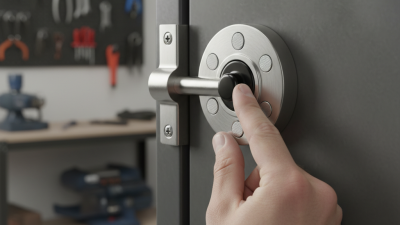
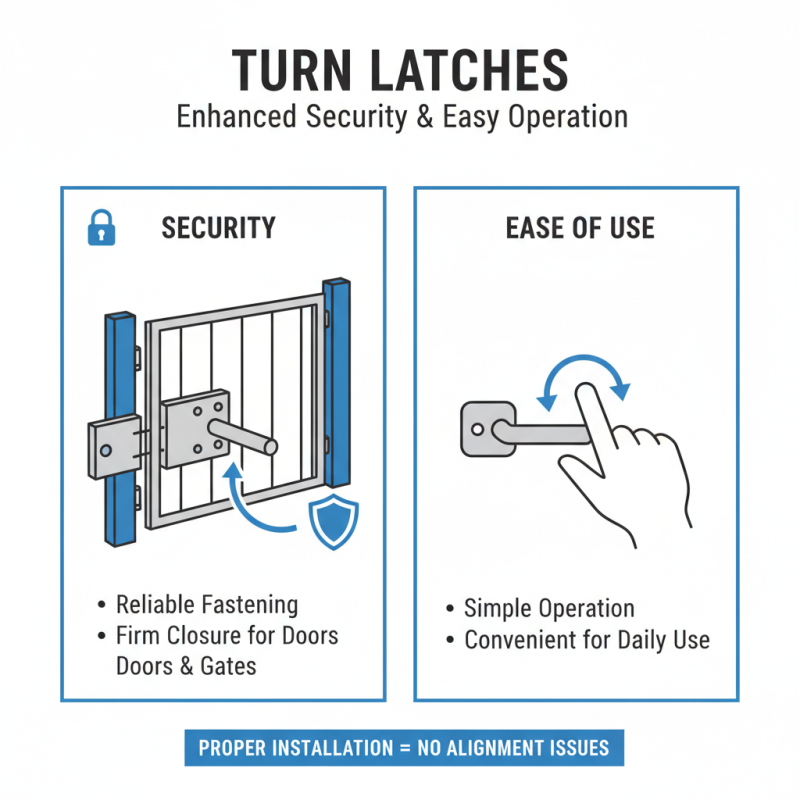
A turn latch serves as a simple yet effective device for securing doors and gates. Its mechanism allows easy access while ensuring safety. This dual functionality makes it popular among homeowners and businesses alike. The design typically includes a hook or clasp that can be quickly released or secured, providing convenience in daily operations.
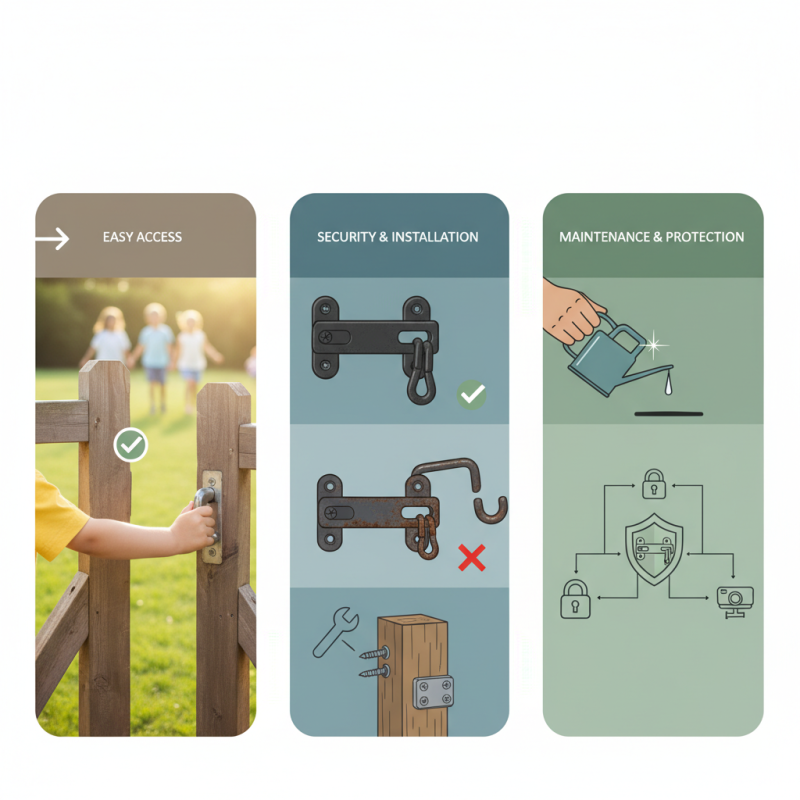
Imagine a backyard gate with a turn latch. You can swiftly open it with a gentle twist, allowing children to play freely. However, it’s important to ensure that the latch is properly installed. Misalignment can lead to security issues. Consider the materials used; cheap metal can rust over time. Regular maintenance checks can prevent such problems.
Despite its practicality, a turn latch may not be foolproof against all security threats. Homeowners should assess their specific needs before relying solely on this mechanism. It is essential to use turn latches in conjunction with other security features for maximum protection. Remember, ease of access should not compromise safety.
Understanding Turn Latches: Definition and Applications in Security
Turn latches are simple yet effective mechanisms used for securing doors, gates, and cabinets. A turn latch typically consists of a latch body and a handle, allowing users to easily lock and unlock. The design provides swift access while maintaining security. According to industry reports, turn latches have seen a rise in popularity due to their ease of use and low cost. Their applications span residential and commercial settings, enhancing both convenience and safety.
In the realm of security, turn latches are versatile. They can be used in workshops, warehouses, and homes. They offer quick access points without compromising safety. However, reliance on a single latch may leave vulnerabilities. Security experts recommend combining turn latches with additional locking mechanisms for enhanced protection. This layered approach can deter unauthorized access effectively. Studies indicate that properties using multi-faceted security solutions experience 40% fewer break-ins.
While turn latches are beneficial, users should monitor their condition regularly. Wear and tear can lead to failure. Rusting parts could weaken the security they provide. It’s important to develop a habit of checking mechanisms periodically. Sometimes, the simplest solutions require the most attention. A well-maintained turn latch can offer reliable security and swift access.
Key Features of Turn Latches for Enhanced Security and Ease of Use
Turn latches provide a reliable solution for securing various fixtures. These hardened metal components ensure doors or gates remain firmly closed. Their design allows for easy operation, making them convenient for everyday use. Many users appreciate the smooth motion of the latch, but some may struggle with alignment issues. Proper installation is key to avoid these frustrations.
One notable feature of turn latches is their versatility. They work well on doors, cabinets, and outdoor structures. A simple twist provides instant access while ensuring security. It's worth considering the finish of the latch, as weather-resistant options offer longevity. However, the functionality can diminish if not properly maintained. Users might overlook routine checks, leading to potential locking failures.
Moreover, the size of the latch can greatly influence its effectiveness. Choosing too small a latch might compromise security. Conversely, an oversized version could disrupt the design. Balance is essential here. Fortunately, the installation process is generally straightforward. With just a few tools, you can enhance both security and convenience. However, be cautious; a rushed installation may result in poor performance.
Step-by-Step Guide to Installing a Turn Latch Properly
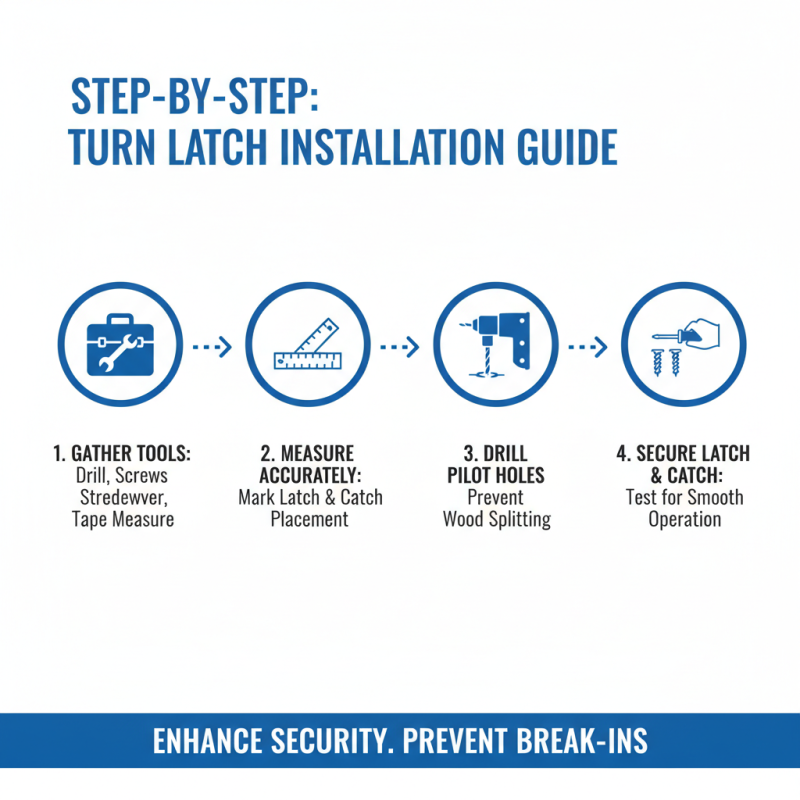
Installing a turn latch can greatly enhance the security of your property. To do it right, you need to follow a few key steps. Start by gathering your tools: a drill, screws, a screwdriver, and a measuring tape. Proper measurements are crucial. Inaccurate placements can lead to weak security. Studies show that over 30% of break-ins occur through poorly secured entries.
Next, choose the right location for your latch. It should be at a height that's accessible yet secure. Mark the drilling points carefully. Avoid positioning the latch too close to hinges, as this can cause misalignment. Use a level to ensure everything is straight. If the latch isn’t installed correctly, it can compromise the door's integrity. In fact, research indicates that improper installations can double the chances of forced entry.
After securing the latch, test it multiple times. It should operate smoothly without sticking. Reflect on the install’s effectiveness. If it feels loose or wobbly, consider reinforcing it with additional screws. Turn latches are simple yet vital components. A well-installed latch can withstand significant pressure, enhancing your home's safety profile.
Comparative Analysis of Turn Latches vs Other Security Mechanisms
When it comes to security mechanisms, turn latches offer a unique blend of accessibility and reliability. Unlike traditional locks, they allow for quick entry and exit. This makes them ideal for gates, cabinets, and various outdoor enclosures. A simple twist engages the latch, creating a secure hold. However, these mechanisms can also have vulnerabilities. They may be easy to manipulate if not installed rigorously.
In contrast, other security systems like deadbolts or electronic locks provide robust protection. Deadbolts require a key for disengagement, making unauthorized access more difficult. However, they can be cumbersome and slow in emergencies. Electronic locks offer convenience but can fail due to battery issues. Turn latches stand out because they strike a balance between ease of use and a reasonable level of security, although they do rely on proper installation and maintenance to perform optimally.
With turn latches, users should consider factors such as wear and tear. Environmental conditions can affect their durability over time. Users might find themselves needing replacements sooner than expected. In their pursuit of security, a combination of different mechanisms might be necessary. Evaluating the strengths and weaknesses of each option is crucial for optimal protection.
How to Use a Turn Latch for Secure and Easy Access? - Comparative Analysis of Turn Latches vs Other Security Mechanisms
| Security Mechanism |
Ease of Use |
Installation Complexity |
Cost |
Durability |
| Turn Latch |
High |
Low |
Low |
Moderate |
| Padlock |
Moderate |
Moderate |
Low |
High |
| Sliding Bolt |
Moderate |
Low |
Low |
High |
| Electronic Lock |
High |
High |
High |
Moderate |
| Deadbolt |
Moderate |
High |
Moderate |
High |
Maintenance Tips for Long-lasting Performance of Turn Latches
Maintaining your turn latch can enhance its longevity and effectiveness. Regular inspection is key. Look for signs of rust or wear. These can compromise the latch's function. Clean the latch periodically. Use water and a soft cloth to wipe away dirt. This simple step can prevent grime buildup.
Lubrication is another important tip. Apply a small amount of lubricant to the moving parts. This helps to reduce friction. It also allows for smoother operation. However, use it sparingly. Over-lubrication can attract more dirt. Ensure you wipe away any excess to keep the area clean.
Check the screws and mounting regularly. Loose screws can misalign the latch. Tightening them can improve security and ease of use. If you notice damage, replace components immediately. Delaying repairs could lead to bigger issues down the road. Always prioritize functionality and safety.
Turn Latch Maintenance Performance Over Time

 Rod lock