Leave Your Message

What Is a Hinge Lock and How Does It Work?

A Hinge Lock is a compact security device designed to restrict movement around a door hinge. It can help prevent a door from being lifted, forced, or opened from its hinge side. Unlike a standard latch, it protects an often-overlooked part of the door assembly. That detail matters.

Security consultant Michael J. McCormick offers a practical reminder: “A lock is only as strong as the door, frame, and installation supporting it.” His observation reflects an important truth about Hinge Lock performance. The device may be made from hardened steel, yet weak screws or a damaged frame can reduce its value. Security is a system.

This guide explains what a Hinge Lock is and how it works. It examines its main parts, installation position, locking action, and common applications. You will also see how hinge-side protection differs from ordinary deadbolts and surface bolts. The explanation focuses on physical details, such as mounting plates, pins, clearance, and door movement.

Small gaps matter.

A correctly fitted Hinge Lock should allow normal door operation without scraping or binding. However, no single device guarantees complete protection. Door material, hinge design, fastener quality, and maintenance all influence real-world results. That point is easy to overlook.

Some installations also create problems when measurements are rushed. A lock can appear secure but still interfere with the frame. Therefore, careful measurement and professional assessment remain valuable. This article provides a clear foundation for understanding the mechanism, while recognizing that site conditions can change the final recommendation.
What Is a Hinge Lock and How Does It Work?

What Is a Hinge Lock?

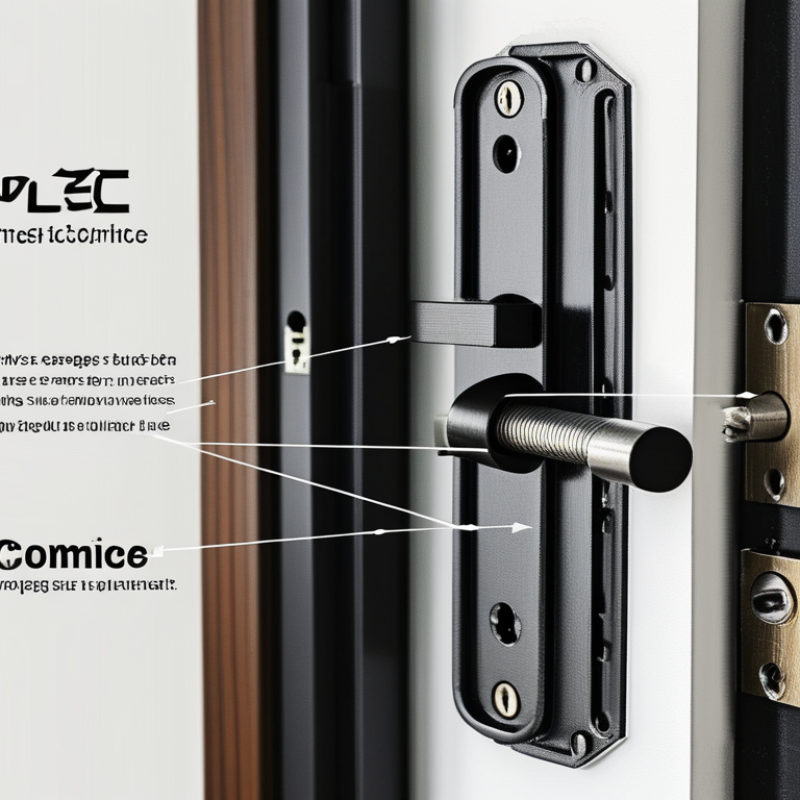
A hinge lock is a security device that limits movement around a door hinge. It helps prevent unauthorized removal, forced opening, or unwanted hinge movement. Unlike a standard hinge, it adds a locking feature to the joint between the door and its frame.

The design usually includes a pin, bracket, sleeve, or small locking mechanism. When the door closes, these parts align and hold the hinge securely.

Some hinge locks replace the original hinge. Others attach beside it and work with existing hardware. The correct choice depends on the door’s weight, hinge shape, material, and available clearance.

It sounds simple.

In practical inspections, proper alignment matters more than appearance. A loose screw, bent pin, or poorly fitted bracket can reduce security and make the door difficult to operate. Installation should keep the hinge moving smoothly without scraping the frame. Measure the hinge area carefully before selecting a device.

A hinge lock can also protect equipment doors, storage cabinets, gates, and access panels. However, it is not a complete security system. Strong hinges cannot compensate for a weak frame, damaged door, or unsuitable fasteners. Regular checks are useful, especially after repeated opening, vibration, or seasonal movement. The term “hinge lock” may describe several different products, so product specifications should be reviewed instead of relying only on photographs.
How Does a Hinge Lock Work?

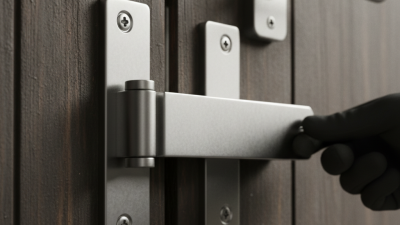
A hinge lock is a small security component that controls movement around a hinge joint. It usually works by blocking the hinge pin, the central rod connecting the hinge leaves. When the door closes, a locking plate, collar, or captive pin aligns with the hinge barrel. The part then holds the hinge pin in place, making removal difficult from the exposed side.

The mechanism is simple but precise. A hinge pin normally slides through several knuckles, allowing the door to swing smoothly. With a lock fitted, a stop or retaining screw prevents that pin from sliding upward or downward. Some designs engage automatically when the door reaches its closed position. Others require a key, tool, or manual pin adjustment. It stays hidden. During a practical inspection, I check whether the lock engages fully, rather than assuming alignment is correct.

A hinge lock can also use interlocking tabs between the door and frame. If someone tries to lift the closed door, those tabs remain connected and transfer pressure through the hinge area. This helps resist forced separation, but it does not make every door completely secure. Thin metal, loose screws, poor spacing, or a worn hinge can reduce its effectiveness. That detail matters. Exact operation varies by hinge design, so installation should follow measured clearances and the supplied technical instructions. A lock that feels tight may still fail if its pin does not seat deeply enough.

What Are the Main Parts of a Hinge Lock?

What Is a Hinge Lock and How Does It Work?

A hinge lock secures a hinged panel while allowing controlled movement or complete closure. Its performance depends on several small parts working together. The hinge leaves attach to the frame and panel with screws or bolts. The knuckles form aligned barrels along the hinge edge. A hinge pin passes through these barrels and carries the panel’s weight.

The locking part may use a locking pin, sliding bolt, cam, or internal catch. When engaged, this piece blocks the pin or connects the hinge to a fixed keeper. The housing protects the mechanism from impacts and helps maintain alignment. Washers or bushings can reduce friction, while a spring may return the latch after release. During inspection, check for loose fasteners, bent leaves, worn holes, and uneven gaps. Small misalignment can prevent full locking. It is easy to overlook.

Tips: Open and close the panel slowly. Listen for scraping or clicking. Confirm that the locking piece moves fully into position. Keep the hinge area clean and lightly lubricated when the manufacturer’s instructions allow it. Do not force a stiff mechanism; forcing it can damage the pin or housing. A simple pencil mark can show whether the hinge shifts during repeated use. This quick check is useful, although it is not a replacement for a qualified inspection.

Where Are Hinge Locks Commonly Used?

What Is a Hinge Lock and How Does It Work?

A hinge lock secures a hinged panel when the door, lid, or gate closes. It usually combines a hinge, a locking pin, and a fixed bracket. When engaged, the pin prevents the hinge from moving freely. The design can resist pulling, swinging, and casual tampering. They are practical. However, strength depends on the frame, fasteners, and installation quality.

Hinge locks are commonly used on residential doors, garden gates, storage cabinets, and outdoor utility boxes. In workshops, they protect tool cabinets and equipment enclosures from accidental opening. Commercial buildings may use them on service panels, electrical cabinets, and restricted maintenance areas. Transport cases also use similar mechanisms to keep hinged lids closed during movement. A poorly aligned lock can bind or fail. Small gaps matter.

In real installations, technicians check the hinge line, door weight, and surrounding material before choosing a lock. Steel hardware suits demanding outdoor conditions, while coated materials may reduce surface corrosion. Regular inspection should look for loose screws, bent pins, worn holes, and rust around drainage points. A hinge lock should not replace a complete security plan. It may protect an access point, but a weak frame remains vulnerable. I have seen sturdy locks attached to thin panels, which defeats their purpose. A careful fit test often reveals problems before daily use.

What Is a Hinge Lock and How Does It Work? Where Are Hinge Locks Commonly Used?

Data Dimension Information How It Works or Why It Matters Common Applications
Basic Definition A hinge lock is a security device installed near or over a door hinge to restrict hinge movement or prevent access to the hinge pins. It helps keep a door aligned and closed while making unauthorized hinge removal more difficult. Exterior doors, storage doors, utility rooms, gates, cabinets, and equipment enclosures.
Primary Security Function Hinge locks are mainly used to protect the hinge side of an opening. When a door opens outward, exposed hinges may provide an attack point. A hinge lock can cover, shield, or reinforce this area. Outward-opening doors, perimeter gates, security rooms, and commercial access points.
Typical Operating Principle The device uses a fixed guard, interlocking plate, pin, bolt, or bracket connected to the door and frame. When the door is closed, the components engage and reduce the ability to lift, separate, or tamper with the door from the hinge side. Metal doors, reinforced wooden doors, access panels, and industrial enclosures.
Common Design Types Common designs include hinge-pin locks, hinge-side security plates, interlocking hinge guards, and concealed hinge arrangements. Each design addresses a different risk, such as hinge-pin removal, prying, door lifting, or direct access to the hinge gap. Residential, commercial, institutional, and industrial security installations.
Hinge-Pin Lock A hinge-pin lock replaces or secures a hinge pin with a locking component. It can help prevent the pin from being driven out or removed while the door is closed. Doors with accessible, exposed hinges where hinge-pin protection is required.
Security Plate or Guard A metal plate or guard covers part of the hinge area and is fixed to the door, frame, or both. The guard limits access to the hinge, reduces clearance for tools, and can strengthen the hinge-side edge. Steel doors, service doors, warehouse entrances, and security cabinets.
Materials Hinge locks are commonly manufactured from steel, stainless steel, aluminum, or other durable metal alloys. Material selection affects strength, corrosion resistance, weight, appearance, and compatibility with the door assembly. Indoor doors, outdoor gates, humid environments, industrial areas, and high-use facilities.
Installation Method Installation may involve screws, bolts, welded components, hinge replacement, or integration into the door and frame during fabrication. The fasteners and mounting surfaces must be strong enough to transfer loads without interfering with normal door movement. New construction, retrofit security upgrades, fabricated metal doors, and maintenance projects.
Door Compatibility Compatibility depends on hinge position, door thickness, opening direction, frame design, clearance, and the available mounting area. A hinge lock must allow the door to open and close fully without binding, scraping, or reducing required clearances. Wooden, steel, aluminum, composite, cabinet, and gate assemblies, subject to design verification.
Outward-Opening Doors Hinge locks are especially relevant when hinges are located on the exterior side of an outward-opening door. The device protects a potential weak point that may otherwise be accessible from outside the secured area. Exterior entrances, equipment rooms, electrical rooms, storage buildings, and perimeter gates.
Residential Use They may be used on entry doors, garage side doors, sheds, workshops, and storage areas. They provide additional hinge-side protection but do not replace a properly installed primary lock and reinforced frame. Homes, garages, private workshops, garden storage, and detached utility buildings.
Commercial and Institutional Use Businesses, schools, offices, healthcare facilities, and public buildings may use hinge-side protection on selected doors. Hinge locks can support layered access control when combined with suitable locks, door closers, frames, and monitoring systems. Back-of-house areas, records rooms, plant rooms, classrooms, offices, and restricted corridors.
Industrial and Utility Use Industrial facilities often use hinge protection on control cabinets, machine guards, maintenance doors, and service enclosures. The hardware can help protect access points exposed to vibration, frequent use, harsh conditions, or unauthorized servicing. Factories, warehouses, substations, mechanical rooms, workshops, and infrastructure sites.
Main Benefits Key benefits include hinge-side protection, improved resistance to tampering, greater door stability, and compatibility with layered security. It addresses a specific door vulnerability that may not be covered by the primary lock alone. Any opening where hinge exposure or door separation is considered a security concern.
Important Limitations A hinge lock does not secure the entire door by itself and cannot compensate for a weak frame, poor fasteners, or an unsuitable primary lock. Effective security depends on the complete door assembly, correct installation, regular inspection, and appropriate maintenance. All installations, especially high-security, fire-rated, emergency-exit, and public-access doors.
Maintenance Considerations Routine checks should look for loose fasteners, corrosion, deformation, obstruction, misalignment, and restricted door movement. Early maintenance helps preserve reliable operation and prevents the hinge lock from interfering with the door or frame. Outdoor gates, high-traffic doors, industrial environments, and facilities with scheduled inspections.

Note: The correct hinge-lock design should be selected according to the door construction, hinge configuration, security objective, fire and emergency-egress requirements, and applicable local building standards.

How to Choose and Maintain a Hinge Lock

A hinge lock is a mechanical device that secures a hinged door, gate, cabinet, or access panel. It limits hinge movement and can help prevent forced removal from the hinge side. Some models use a pin, while others use a plate or locking sleeve. The design should match the hinge, not merely the door.

Choose one by measuring the hinge leaf, pin diameter, clearance, and mounting space. A heavy steel door may need a stronger lock than a lightweight interior panel. Check the surrounding material, too. Thin wood can split when fasteners are tightened. In damp areas, corrosion-resistant materials are usually safer choices. Confirm that the lock opens smoothly and does not block emergency access or normal door alignment. Local safety requirements may also affect the suitable design.

Maintenance is simple, but it is easy to neglect. Inspect the lock every few months for loose screws, bent parts, rust, or unusual movement. Wipe away grit with a dry cloth, then apply a small amount of suitable lubricant to moving metal parts. Too much oil can collect dust. That mistake is common. Test the door several times after servicing, and listen for scraping or clicking sounds. I once overlooked slight hinge sag during an inspection; the lock still worked, but the door required extra force. That experience taught me to check the hinge, frame, and lock as one system. Replace damaged components instead of forcing them back into shape.