What is a Hinge Lock and How Does It Work?
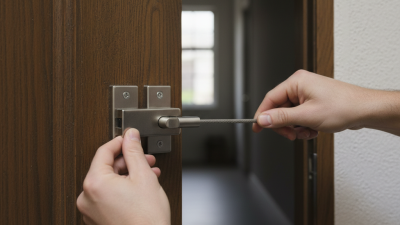
A hinge lock is a crucial component in many locking systems. It offers enhanced security for doors and gates. According to Mark Thompson, a leading expert in security solutions, “Hinge locks provide an extra layer of protection that traditional locks may lack.” This insight emphasizes the importance of hinge locks in today's security landscape.
Hinge locks function by securing the hinge side of a door. This prevents unauthorized entry through the hinged area, often a vulnerable point. Users appreciate the reliability and ease of installation. However, hinge locks may not be foolproof. Some can be picked or tampered with if not properly maintained.
While hinge locks serve a clear purpose, they also remind us to consider ongoing security needs. Regular inspections and updates to locking mechanisms are essential. An effective security system combines multiple features, including hinge locks, to create a comprehensive solution. This multi-layered approach ultimately enhances safety and peace of mind.
What is a Hinge Lock?
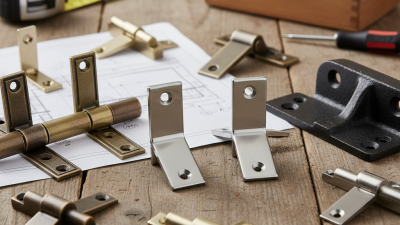
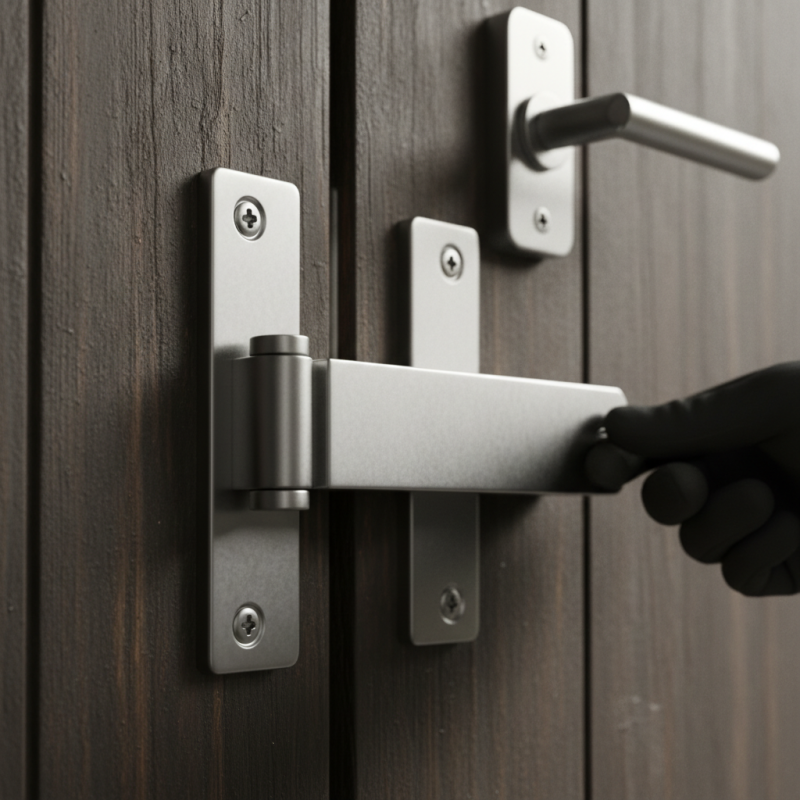
Hinge locks are essential devices designed to secure doors by preventing them from being opened. They are commonly used in residential and commercial properties. The basic mechanism consists of a hinge pin that can be locked, making it impossible to swing the door open without the right key or combination.
According to a report by the Security Industry Association, nearly 30% of break-ins involve forced entry through doors. A hinge lock addresses this vulnerability by reinforcing the door’s structure. It binds the door to its frame tightly. While traditional locks can be picked, hinge locks offer a different layer of protection, making unauthorized access more challenging.
The installation of hinge locks can be tricky. Improper alignment can lead to operational issues. Moreover, not all hinge locks fit every door type. Users often find themselves puzzled by the sheer variety available. A recent survey revealed that about 40% of homeowners are unaware of hinge locks as a security feature. This indicates a gap in understanding the benefits of these devices. It's essential to educate oneself before making a purchase to ensure the best fit and functionality.
The Mechanism Behind Hinge Locks
Hinge locks are fascinating mechanisms. They play a critical role in securing doors, gates, and other movable parts. The core idea is simple: a hinge combined with a locking feature prevents unwanted movement. This locking system is clever in design and operation, ensuring safety and security.
The mechanism involves a pivot point, which is usually a pin or rod. This allows the door or gate to swing open or closed. When the lock is engaged, it blocks the hinge's movement. Some designs incorporate a pin that drops into a hole, effectively immobilizing the hinge. This combination of mechanics provides a robust solution for security.
However, not all hinge locks are foolproof. Over time, wear and tear can compromise their effectiveness. Rust, dirt, and debris can affect the locking mechanism. Additionally, frequent use can cause misalignments. Regular maintenance is necessary to ensure optimal performance. Without attention, what once felt secure may leave you vulnerable.
Hinge Lock Mechanism Efficiency
This chart illustrates the performance metrics of hinge locks based on different factors such as material strength, ease of installation, corrosion resistance, cost efficiency, and durability. Each metric is rated on a scale from 1 to 10, highlighting the overall effectiveness of hinge locks in various categories.
Types of Hinge Locks Available
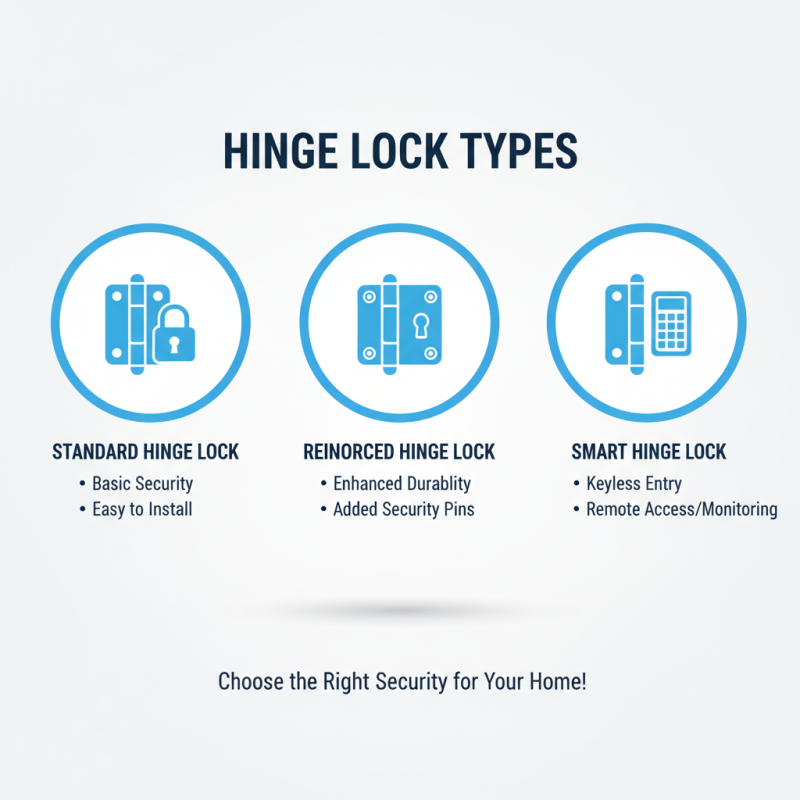
Hinge locks come in various types, each serving specific needs. The most common type is the standard hinge lock. It provides basic security. This lock is easy to install, making it popular among many homeowners. However, some may find it lacking in advanced features. They often rely on simple mechanisms, which can be exploited.
Another type is the adjustable hinge lock. This design allows users to set the level of security based on their requirements. It can fit different door sizes. However, the complexity of installation may deter some people. Sometimes, the adjustments can be unintuitive. Users may feel frustrated when trying to adjust it correctly.
Lastly, there are electronic hinge locks. These locks operate with keypads or biometric scanners. They offer a modern solution to security concerns. However, they require power and can malfunction during outages. Users might overlook battery management, leading to unexpected lockouts. Such factors make them less appealing to some individuals seeking reliability.
Applications of Hinge Locks in Security
Hinge locks provide a unique approach to securing spaces. They are often found in doors and gates. The design allows for easy access while ensuring safety. This dual functionality makes them popular in many settings.
In residential properties, hinge locks are often used on garage doors. They add an extra layer of security, especially for vulnerable entry points. Some people may overlook these details. In commercial spaces, hinge locks can secure cabinets and storage areas. Proper installation is key for their effectiveness.
While hinge locks are effective, they also have limits. They might not withstand forced entry as well as other locks. Regular maintenance is important to ensure they function correctly. Users should check them periodically. This helps identify potential weaknesses. Neglecting these checks may compromise security.
What is a Hinge Lock and How Does It Work? - Applications of Hinge Locks in Security
| Dimension |
Description |
| Material |
Steel, stainless steel, or brass to provide strength and durability. |
| Locking Mechanism |
Pin tumbler or wafer lock designs for secure closure. |
| Applications |
Used in gates, doors, cabinets, and large machinery for enhanced security. |
| Installation Type |
Surface mounted or mortised installation options available. |
| Key Features |
Resistant to tampering and forced entry; weather-resistant designs for outdoor applications. |
Advantages and Disadvantages of Hinge Locks
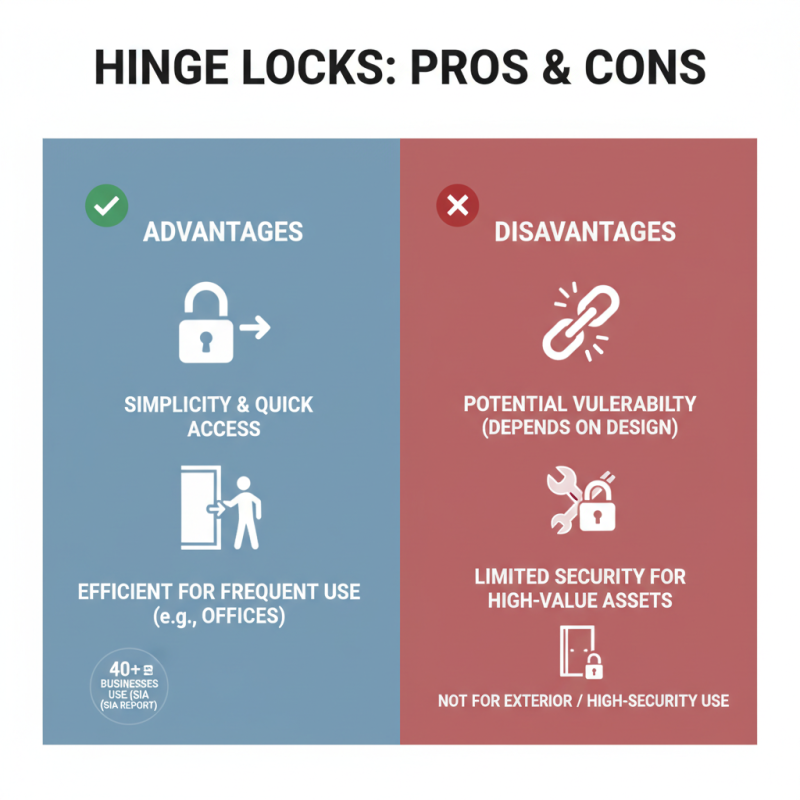
Hinge locks are often favored for their unique design and functionality. However, they come with both advantages and disadvantages. An advantage is their simplicity. A hinge lock allows quick access while ensuring security. According to a report by the Security Industry Association, over 40% of businesses use this type of locking mechanism for interior doors. It's efficient for areas requiring frequent access, like offices and storerooms.
On the flip side, hinge locks have some limitations. They may not offer the same level of security as deadbolts. Their vulnerability exists due to the hinge's external components. This makes them easier targets for tampering. A study from the National Institute of Justice indicates that around 30% of forced entries involve manipulation of these locks.
Maintenance is another concern. Misalignment can lead to improper locking mechanisms, causing inconvenience. Regular checks are necessary to ensure functionality remains optimal. While hinge locks are practical, their drawbacks require careful consideration. Balancing the ease of access with security needs is crucial for effective use.

 Rod lock