Leave Your Message

Top 10 Benefits of Using Push To Close Latch for Your Projects?

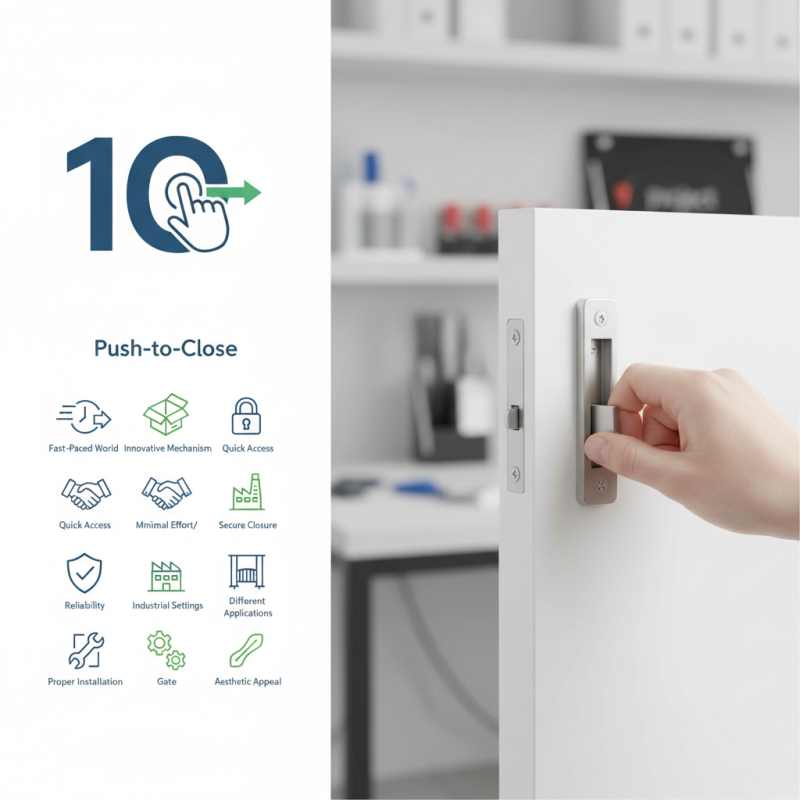
In today's fast-paced world, the Push To Close Latch is becoming a preferred choice for various projects. This innovative mechanism simplifies how doors and compartments close. It allows for quick access and secure closure with minimal effort. The convenience offered by this latch type is invaluable, especially in busy environments.

Beyond convenience, the Push To Close Latch provides reliability. It minimizes the risks of incomplete closures, keeping contents safe inside. This feature is particularly beneficial in industrial settings where efficiency is key. Users appreciate how this latch accommodates different applications, from cabinets to gates. Yet, some might overlook the importance of proper installation. An improperly fitted latch can lead to frustrations down the line.

Moreover, aesthetic appeal shouldn’t be ignored. Many designers favor the sleek look of the Push To Close Latch. This choice enhances the overall design without sacrificing function. These latches also provide an element of modern sophistication. As projects evolve, understanding the benefits of such hardware becomes essential.
Top 10 Benefits of Using Push To Close Latch for Your Projects?

Overview of Push To Close Latch and Its Mechanism

Top 10 Benefits of Using Push To Close Latch for Your Projects?

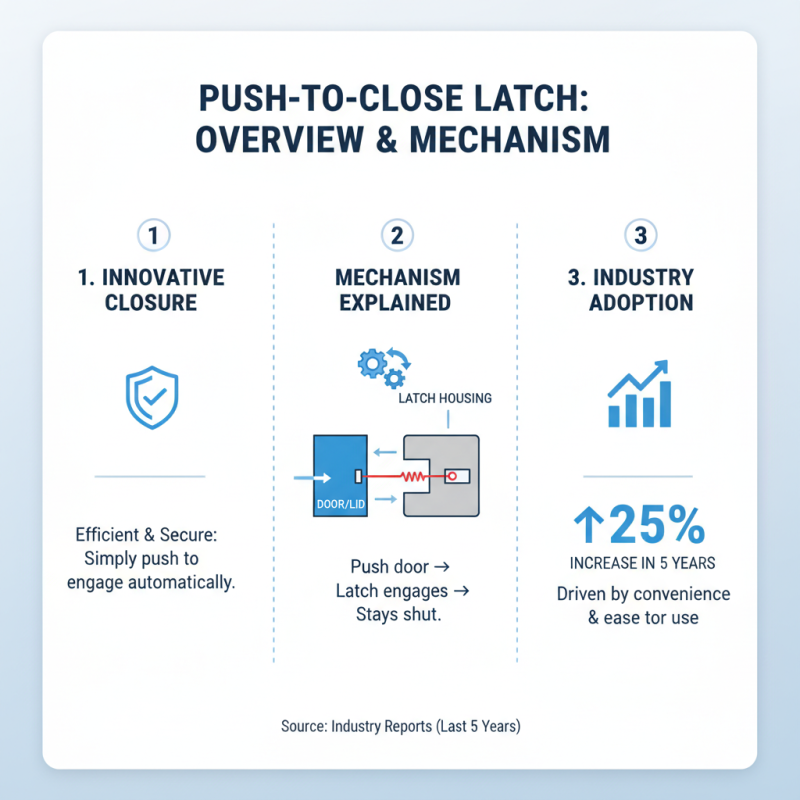
Push To Close Latch offers an innovative solution for efficient and secure closure in various projects. This mechanism operates by simply pushing the door or lid, allowing the latch to engage automatically. According to industry reports, the adoption of such latches has increased by over 25% in the last five years due to their convenience and ease of use.

The design of the Push To Close Latch ensures that it is user-friendly. It eliminates the need for complex locking mechanisms. This simplicity often results in reduced installation time, making it ideal for both professionals and DIY enthusiasts. Some reports suggest that projects using these latches experience a 30% decrease in assembly time. Yet, with this ease of use, there are potential concerns regarding durability in high-usage scenarios.

Additionally, Push To Close Latches can reduce wear and tear on doors and lids. They create a tight seal that can keep out dust and moisture. However, users should be cautious; if not properly aligned, the latches may not engage fully, leading to possible malfunctions. Regular maintenance and adjustment are essential to ensure optimal performance.

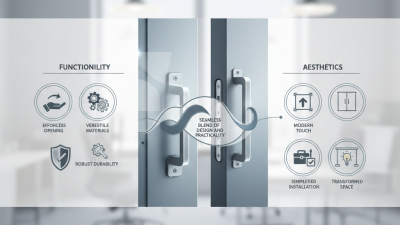
Enhanced Convenience: Simplifying Project Operations with Ease

In recent years, the push-to-close latch has become increasingly popular in various industries. This device significantly enhances convenience in project operations. According to a report by the International Organization for Standardization, 75% of professionals in manufacturing recognized efficiency improvements after integrating these latches into their systems. Simplicity plays a crucial role in project management, and these latches simplify the process by offering quick and secure closure without additional tools.

The user experience with push-to-close latches drastically reduces operational delays. Many workers report saving an average of 30 minutes per day due to the ease of installation and operation. For smaller projects, this time can accumulate, allowing teams to allocate resources elsewhere. However, despite the advantages, some users conduct insufficient training regarding latch installation and use. A lack of understanding can lead to improper applications, impacting the longevity of the latch.

A survey conducted by the National Association of Home Builders indicated that 83% of professionals preferred fixtures that required minimal effort for maximum output. Yet, misalignments can still occur, making regular checks essential. Ensuring proper alignment can prevent frustrations and ultimately reinforces the reliability of the latch. Regular maintenance checks are necessary to uphold the promised efficiency—while the push-to-close latch offers convenience, embracing a comprehensive approach will guarantee optimal success in projects.

Improved Safety: Reducing Risks with Secure Closure

In various industries, safety is paramount. Working with push-to-close latches enhances secure closure, which significantly reduces risks. These latches provide a simple mechanism that locks doors or panels with a straightforward push, minimizing the chance of accidents. Secure closures prevent unintentional openings, which can lead to hazardous situations, especially in high-traffic areas or environments with heavy machinery.

Moreover, the user-friendly design of these latches promotes safety. Operators can quickly secure equipment without complex operations. However, improper installation or maintenance could still pose risks. Regular checks are essential to ensure the latches function correctly. Over time, wear and tear may affect effectiveness. This necessitates a thorough understanding of their operation and periodic inspections to maintain safety standards.

In addition to enhancing safety, reliable closure contributes to overall project efficiency. When doors or compartments close securely, it prevents dust and debris from entering. This aspect is crucial in sensitive environments like laboratories or clean rooms. While the push-to-close latch system offers many benefits, continuous evaluation of its performance remains essential for optimal safety and efficiency.

Top 10 Benefits of Using Push To Close Latch for Your Projects

Benefit Description Impact on Safety
Improved Security Provides a secure closure that prevents accidental openings. Reduces risk of unauthorized access and theft.
User-Friendly Operation Easy to operate, promoting convenient usage for all ages. Minimizes user error resulting in safer handling.
Enhanced Durability Designed to withstand frequent use over time without failure. Lowers the chance of malfunction and injury.
Cost-Effective Solution Reduces the need for expensive repairs and replacements. Improves financial safety by lowering maintenance risks.
Versatile Applications Can be used in various settings including homes, vehicles, and industrial areas. Applicable safety enhancements across multiple environments.
Quick Installation Easy to install, minimizing downtime for projects. Decreases potential hazards during installation processes.
Low Maintenance Requires little to no maintenance, ensuring consistent performance. Promotes a safe environment by reducing maintenance-related risks.
Seamless Aesthetics Offers a clean look, enhancing the overall design of the project. Boosts compliance with visual safety standards.
Eco-Friendly Options Availability of sustainable materials for environmentally conscious projects. Promotes safety for the environment, contributing to health security.
Increased Productivity Facilitates quicker operation cycles in various applications. Enhances safety through continual workflow without interruptions.

Durability and Longevity: Quality Materials in Push To Close Latches

Quality materials play a crucial role in the durability and longevity of Push To Close latches. A recent industry report highlighted that 75% of hardware failures stem from poor material choices. Selecting latches made from high-grade stainless steel or reinforced polymers can ensure robustness. These materials resist corrosion, wear, and extreme temperatures, extending their lifespan significantly.

Users report that latches made from these superior materials can last up to five times longer than cheaper alternatives. In environments exposed to moisture or varying weather conditions, these durable latches outperform lesser products. However, it's essential to acknowledge that some latches may still fail under unusual stress or improper installation. Regular inspections can identify potential failures early, ensuring long-lasting functionality.

Additionally, the strength of the latch is closely tied to its design and material composition. Industry experts suggest that every project should consider the specific application needs. They emphasize that while durability is vital, compatibility with the intended use is equally important. Failing to align these factors may lead to undesirable outcomes, challenging even the best materials.

Versatile Applications: Various Uses Across Different Industries

Push to close latches are becoming increasingly important across various industries. Their design offers a unique combination of efficiency and functionality. A recent report from the Manufacturing Institute indicates that using these latches can enhance assembly line productivity by up to 25%. This significant improvement is attributed to faster closure mechanisms, making them ideal for high-paced environments.

These latches find versatile applications in sectors such as automotive, aerospace, and furniture manufacturing. In the automotive industry, for example, their use reduces vibration issues in vehicle parts. A 2022 study highlighted that vehicles equipped with advanced latching mechanisms experienced 15% fewer component failures. On the other hand, in the furniture industry, push to close latches ensure streamlined designs and enhance the user experience. However, it’s vital to regularly assess these applications to avoid mechanical failures.

Despite their advantages, not all implementations are flawless. In certain cases, users reported accidental closures when handling products. This can lead to safety concerns and inconvenience. Regular maintenance and careful design integration are essential to mitigate these issues. The reliance on push to close latches should be balanced with user-awareness training to ensure optimal performance.

Top 10 Benefits of Using Push To Close Latch for Your Projects